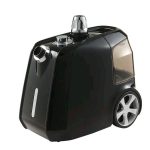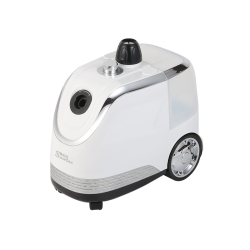
Vertical Garment Steamer Factory: Boiler Design and Safety Systems Separate Reliable Units from Recalls
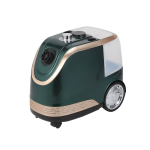
Vertical garment steamer factories produce a product that combines water, electricity, and heat in a handheld or floor-standing format. The combination creates safety requirements that a simple appliance does not have. A steamer that overheats, leaks, or fails to shut off can scald the user or damage the garment. Factories that produce these units for export markets must meet the safety standards of each destination, and the boiler design and the safety systems are the areas where compliance is won or lost.
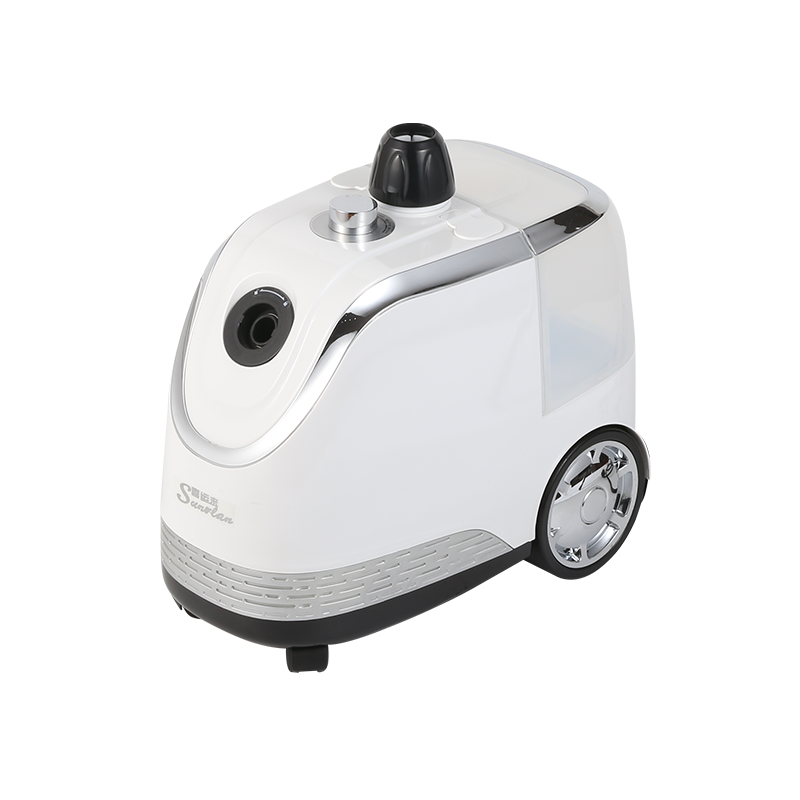
The boiler design determines how the steamer generates steam and how it handles pressure. A boiler that is too small produces steam intermittently and may sputter. One that is too large takes too long to heat up and consumes more energy. The boiler material must resist corrosion from tap water, because a corroded boiler loses efficiency and may release particles that stain the garment. Factories that specify a corrosion-resistant boiler and a controlled heating element produce steamers that deliver consistent steam without contamination.
The safety systems are the components that prevent the steamer from becoming a hazard. A thermal fuse cuts power if the heating element exceeds a safe temperature. A pressure relief valve releases steam if the boiler pressure exceeds the design limit. A tilt switch cuts power if the steamer falls over. A low-water cutoff prevents the heating element from running dry. Each system addresses a different failure mode, and a steamer that lacks one of them may pass a basic function test and fail in an accident. Factories that include all of these systems and test them individually produce steamers that meet the safety requirements of the major markets.
The hose and the nozzle must withstand the heat and the pressure of the steam. A hose that is not rated for the operating temperature may soften, kink, or burst. A nozzle that is not sealed properly may leak steam at the connection. Factories typically pressure-test the hose and the nozzle assembly, because a failure at this point is both a performance problem and a burn hazard.
The electrical components must be protected from moisture. A steamer produces steam and condensation, and the electrical connections must be sealed against water ingress. The plug, the cord, and the internal wiring must meet the applicable standards for the destination market. Factories that design the electrical enclosure for the wet environment, rather than treating it as a standard appliance, produce steamers that pass safety testing.