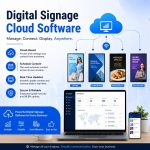
What Are Digital Signage Solutions and Why Businesses Need Them in 2026
Introduction
Businesses in 2026 are rapidly shifting from traditional print advertising to smarter, more engaging communication methods. One of the biggest transformations is the rise of digital signage solutions. From retail stores and restaurants to hospitals, airports, gyms, and corporate offices, digital screens are becoming essential tools for customer engagement and internal communication.
Digital signage solutions allow businesses to display dynamic content such as videos, promotions, announcements, menus, advertisements, and real-time information through digital displays connected to cloud-based software platforms. Unlike static posters, digital signage provides flexibility, real-time updates, and interactive experiences that modern customers expect.
As consumer attention spans become shorter and competition becomes stronger, businesses need faster, smarter, and more impactful ways to communicate. This is exactly where digital signage technology becomes a competitive advantage.
What Are Digital Signage Solutions?
Digital signage solutions are systems that combine:
Digital displays or screens
Content management software
Cloud-based control systems
Media players and network connectivity
These components work together to display real-time content across one or multiple screens.
Businesses can use digital signage to:
Promote products and services
Display advertisements
Share announcements
Improve internal communication
Deliver interactive customer experiences
Show live data, schedules, or menus
Modern digital signage software allows organizations to manage content remotely from any location using cloud-based dashboards.
Why Businesses Need Digital Signage Solutions in 20261. Customers Expect Dynamic Experiences
Consumers are constantly surrounded by digital content through smartphones, social media, and streaming platforms. Traditional posters no longer capture attention effectively.
Digital displays use motion graphics, animations, videos, and interactive content to create engaging experiences that attract customers instantly.
Example:
A retail store can promote flash sales using animated digital screens instead of printing new posters every week.
2. Real-Time Content Management
One of the biggest advantages of cloud-based digital signage platforms is real-time content updates.
Businesses can instantly:
Change advertisements
Update pricing
Modify menus
Schedule campaigns
Manage multiple screens remotely
This flexibility saves both time and operational costs.
3. Better Customer Engagement
Interactive digital signage increases customer participation and improves user experience.
Businesses can use:
Touchscreen displays
QR code integration
Interactive catalogs
Wayfinding systems
Self-service kiosks
Interactive experiences help businesses keep customers engaged longer, leading to higher conversion rates.
4. Cost-Effective Advertising
Traditional printing requires repeated design, production, and replacement costs.
Digital signage eliminates:
Printing expenses
Manual replacements
Distribution costs
Businesses can run multiple campaigns on the same screen without additional physical costs.
5. Improved Internal Communication
Digital signage is not only for customers. Companies also use internal communication displays to share:
Employee announcements
KPIs and dashboards
Company news
Safety instructions
Meeting schedules
Corporate digital signage improves workplace communication and employee awareness.
Industries Using Digital Signage SolutionsRetail Stores
Retail digital signage helps stores:
Promote offers
Increase impulse purchases
Improve brand visibility
Enhance in-store experience
Restaurants and Cafes
Digital menu boards allow restaurants to:
Update pricing instantly
Display food videos
Promote combos and offers
Reduce printing costs
Healthcare
Hospitals use digital displays for:
Patient communication
Queue management
Health awareness campaigns
Department navigation
Corporate Offices
Businesses use digital signage for:
Internal communication
Meeting room scheduling
Company performance dashboards
Education
Schools and universities use displays for:
Event announcements
Campus information
Emergency communication
Key Features of Modern Digital Signage Software
Businesses in 2026 look for advanced features such as:
Cloud-Based Management
Cloud digital signage software allows remote control of multiple displays from one dashboard.
Content Scheduling
Businesses can automate campaigns based on:
Time
Date
Location
Audience type
Multi-Location Control
Brands with multiple branches can manage all displays centrally.
Interactive Technology
Touch-enabled screens improve engagement and self-service experiences.
Real-Time Data Integration
Modern signage systems can display:
Weather updates
Social media feeds
Live dashboards
News feeds
Inventory updates
How Digital Signage Helps Small Businesses
Many people assume digital signage is only for large enterprises, but modern cloud-based digital signage solutions are affordable for small businesses too.
Small businesses can use digital displays to:
Increase walk-in traffic
Promote daily offers
Build professional branding
Improve customer attention
Compete with larger brands
Affordable digital signage software has made this technology accessible for startups, cafes, gyms, salons, and local retail stores.
Future Trends in Digital Signage for 2026
The digital signage industry continues to evolve rapidly. Key trends include:
AI-Powered Personalization
AI-based signage can display personalized content based on customer behavior and demographics.
Smart Analytics
Businesses can measure:
Viewer engagement
Foot traffic
Campaign performance
Interactive and Touchless Displays
Touchless technology and gesture-based interaction are becoming more common.
Integration with IoT
Digital signage systems are increasingly connected with smart business environments.
Conclusion
Digital signage solutions are no longer optional in 2026 — they are becoming essential business communication tools. Whether it is retail digital signage, digital menu boards, interactive displays, or cloud-based signage platforms, businesses are investing in smarter ways to engage customers and improve communication.
Modern digital signage helps organizations deliver real-time content, reduce operational costs, strengthen branding, and create more engaging customer experiences. As businesses continue adopting digital transformation strategies, digital signage technology will play a major role in shaping how companies communicate both internally and externally.
For businesses looking to modernize communication and stay competitive, investing in scalable digital signage solutions is one of the smartest decisions for the future.