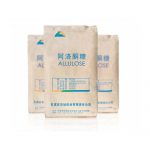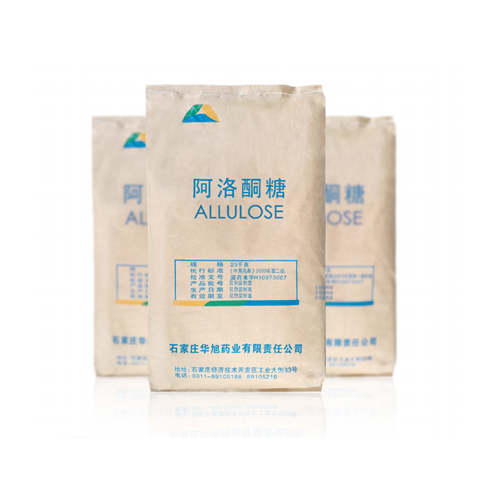
Allulose
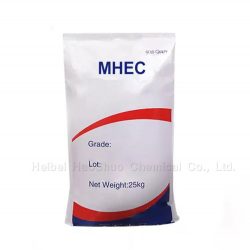
Allulose is 70% as sweet as sucrose, but it has only 3% of the calories of sucrose, or 0.2kcal per gram. D-allulose can be absorbed by the small intestine and enter into the blood circulation in the human body. It will not be metabolized into energy after being absorbed by the small intestine and has low fermentability for intestinal microorganisms.
Application
1. Allulose is a soluble zero-fat sugar and has little effect on blood glucose, making it particularly suitable for food processing.
2. Allulose has the advantages of high sweetness and low calories, and it is considered to be one of the most ideal substitutes for sucrose. Adding D-aloxone to food can not only improve the degree of gelation, but also improve the flavor of food.
Executive Standard of Allulose
Item
specification
Sensory index
Appearance
White or yellowish powder
Smell
Sweet and no peculiar smell
Impurity
No visible impurities
Physical & Chemical Indicators
D-psicose content (dry basis) % ≥
98.0
Residue on ignition % ≤
0.1
Loss on drying %≤
2.0
PH Value
3.0-7.0
Hygienic Requirements
plumbum(Pb) / (mg/kg) ≤
0.5
Total Arsenic (As) / (mg/kg) ≤
0.5
Total bacterial count / (CFU/g)
103
Coliform bacteria /(CFU/g)
Not Detected