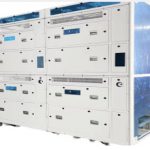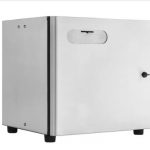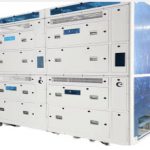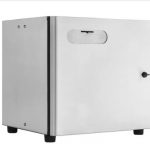
Electric Control Cabinet Assembly
Electric Control Cabinet Assembly
The company has more than 13 years of experience in the production, assembly, quality control, performance testing, and logistics service for OEM equipment products, and can provide customers with integrated assembly and solutions for complete sets of equipment.
Electric control cabinets, the heart of industrial automation, house the electrical and electronic components that orchestrate the operation of machinery and processes. The assembly of these cabinets is a complex process that requires meticulous attention to detail, adherence to stringent standards, and specialized expertise. Let’s delve into the intricacies of electric control cabinet assembly.
Understanding the Assembly Process
The assembly of an electric control cabinet involves several critical steps:
Cabinet Preparation
Selection of the enclosure: Choosing the appropriate cabinet size and material based on the components and environmental conditions.
Mounting of internal components: Installing rails, mounting plates, and other structural elements to provide a solid foundation for the electrical components.
Component Installation
Component placement: Arranging and securing electrical components such as relays, contactors, PLCs, and power supplies within the cabinet according to the electrical schematic.
Wiring and termination: Connecting the components using appropriate wires and terminals, ensuring accurate and reliable connections.
Cable management: Organizing and routing cables to maintain a clean and efficient workspace within the cabinet.
Testing and Commissioning
Functional testing: Verifying the correct operation of all components and circuits.
Performance evaluation: Assessing the overall performance of the control cabinet under simulated operating conditions.
Documentation: Creating and maintaining comprehensive documentation, including wiring diagrams, test reports, and maintenance records.
Challenges and Best Practices
Electric control cabinet assembly presents a range of challenges, including:
Complexity: Modern control cabinets often incorporate complex electrical and electronic systems, requiring skilled technicians.
Space constraints: Efficiently utilizing limited cabinet space while ensuring proper component cooling and accessibility.