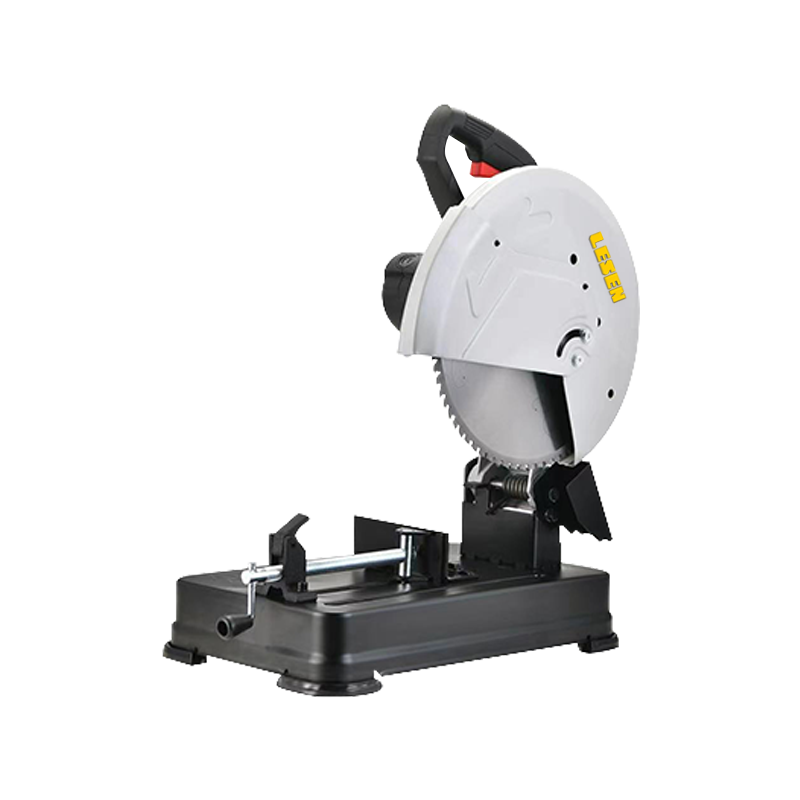
Handheld Metal Cutting Machines Reshape On-Site Fabrication and Demolition Work
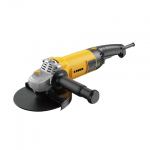
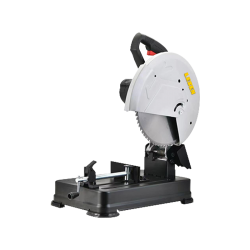
Handheld metal cutting machines have become a common sight on construction sites, in fabrication shops, and at demolition projects, where their portability and cutting speed offer clear advantages over stationary saws or torch-based methods. These machines, ranging from angle grinders and circular saws to plasma cutters and nibblers, allow operators to cut through steel, aluminum, copper, and other metals with precision and control. The growing demand for on-site metalworking, driven by structural steel erection, HVAC duct installation, and shipbuilding repair, has pushed manufacturers to develop models that deliver consistent performance in demanding conditions while prioritizing user safety and ease of handling.
The cutting mechanism varies across machine types, each suited to specific materials and thicknesses. Angle grinders use abrasive discs to cut through metal, offering versatility for both cutting and grinding applications. Circular saws with carbide-tipped or diamond blades provide cleaner cuts in sheet metal and structural sections. Plasma cutters use ionized gas to melt through conductive metals, making them ideal for thicker materials where mechanical cutting is impractical. Handheld metal cutting machine manufacturers have refined blade and disc technology to improve cutting speed, reduce burr formation, and extend tool life. The availability of specialized blades for stainless steel, aluminum, and mild steel has expanded the utility of these machines across different trades.
Safety features have become a key area of development for handheld metal cutting machine manufacturers. Kickback prevention systems, blade guards, and electronic braking mechanisms are now standard on many models, reducing the risk of injury during operation. The machines are often equipped with vibration-damping handles and ergonomic grips that reduce operator fatigue. Manufacturers have also introduced adjustable cutting depth and angle settings, allowing users to make precise cuts without repositioning the workpiece. The integration of dust extraction ports helps maintain visibility and reduce airborne particles.
The power source for handheld metal cutting machines varies between corded electric, battery-powered, and pneumatic options. Battery-powered models have gained significant market share, driven by improvements in lithium-ion technology that provide longer runtime and faster charging. The absence of power cords improves mobility and reduces trip hazards on cluttered job sites. Handheld metal cutting machine manufacturers have responded by offering interchangeable battery systems that work across multiple tools, simplifying inventory management for contractors. The power-to-weight ratio remains a key performance metric.























![Kinzeno Customer Reviews – [Kinzeno Official Website] Everyday Relief & Support](https://manufacturers.network/btabcloud/uploads/2026/08/dsd-1787049210p4cl8-250x179.jpg)