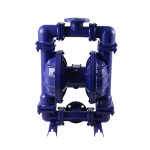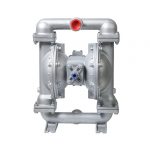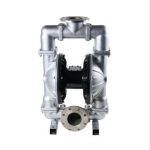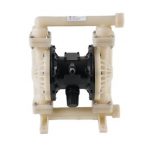
Polypropylene Pneumatic Diaphragm Pump Becomes Standard for Chemical and Corrosive Fluid Handling
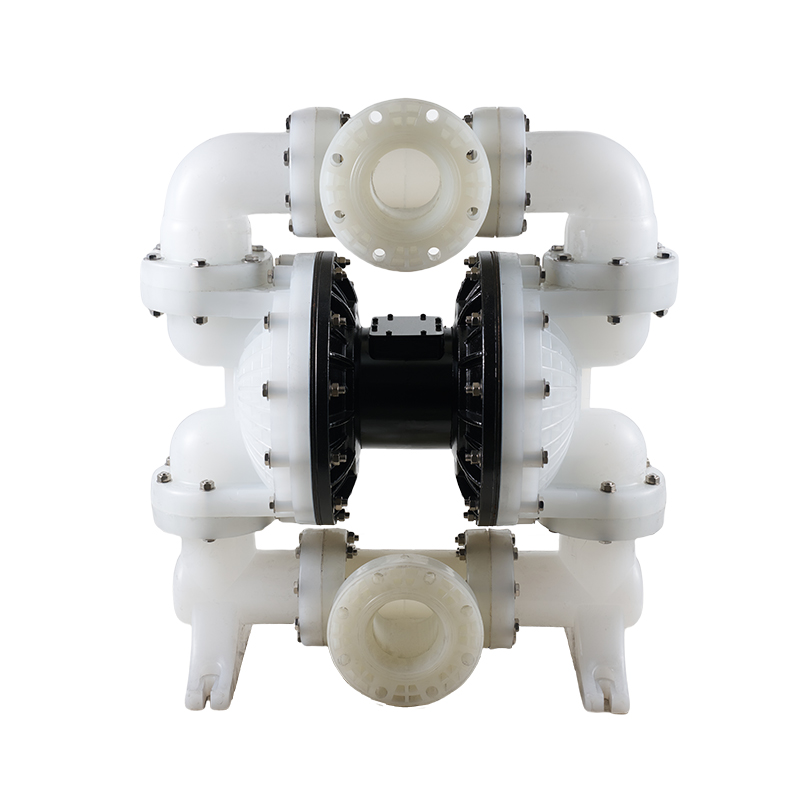
The polypropylene pneumatic diaphragm pump has become a standard tool in industries that handle aggressive chemicals, acids, and corrosive fluids. The material’s chemical resistance, combined with its lightweight properties and cost-effectiveness, has made it a preferred option over metal-bodied pumps in many applications. The pump’s air-operated design eliminates electrical components, allowing safe operation in hazardous environments. Industries such as chemical processing, electroplating, semiconductor manufacturing, and wastewater treatment have adopted these pumps. The material’s compatibility with a wide range of chemicals and its ability to withstand high operating temperatures have contributed to its widespread use.
Polypropylene’s resistance to corrosion is the primary driver behind the adoption of these pumps. Unlike metals that can react with acids or oxidizers, polypropylene remains stable when exposed to most chemicals. The material’s inertness also prevents contamination of the fluid being pumped, making it useful in applications where purity is important. The pump body, fluid chambers, and manifold are molded from polypropylene, with the material selected for its ability to maintain structural integrity at elevated temperatures. The use of polypropylene in pump construction has been supported by advances in molding technology.
The design of the polypropylene pneumatic diaphragm pump follows the same operating principle as other AODD pumps. Compressed air drives a reciprocating diaphragm, creating a pumping action that draws fluid into the chamber and then pushes it out. The pump can be operated dry without damage. The polypropylene construction extends to the fluid contact surfaces, with the diaphragm and valves also selected from compatible materials.
The compatibility of polypropylene with various chemicals depends on the concentration and temperature of the fluid being pumped. Manufacturers provide chemical resistance charts that list the suitability of the pump for specific chemicals. The pump is available with PTFE, Santoprene, and other diaphragm materials.
The market for polypropylene pneumatic diaphragm pumps includes chemical manufacturers, metal finishers, and electronics producers. The category continues to support fluid transfer applications. Manufacturers maintain production capabilities to meet demand. The availability of pump sizes and configurations supports various applications. The use of polypropylene in chemical pumping applications is established. The manufacturers maintain quality standards and provide technical support for chemical compatibility.