Raw Material Prep for Non-Woven Fiber Wheel Production
Foundation of the Fiber Web
The quality and characteristics of the final non-woven wheel are intrinsically linked to the raw materials fed into the system. A non-woven fiber wheel production equipment line does not start with ready-to-bond fabric; it begins with loose synthetic fibers. The preparation of these fibers is a critical upstream process that ensures uniformity, consistency, and proper bonding in the subsequent stages of the non-woven fiber wheel production equipment.
Primary Raw Material: Synthetic Fiber
The dominant raw material is synthetic staple fiber, most commonly:
Polyester (PET): Chosen for its durability, chemical resistance, and versatility in achieving different hardness levels.
Polyamide (Nylon): Offers higher abrasion resistance and resilience, often used in premium polishing wheels.
Polypropylene (PP): A cost-effective option with good chemical resistance.
These fibers are purchased in bales, with specifications including denier (fiber thickness), staple length, and crimp being carefully selected based on the desired wheel’s density, flexibility, and end-use application.
The Fiber Opening and Blending System
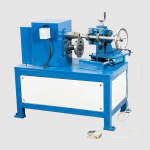
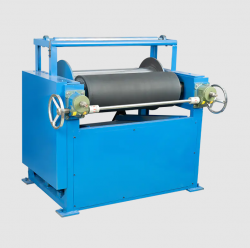
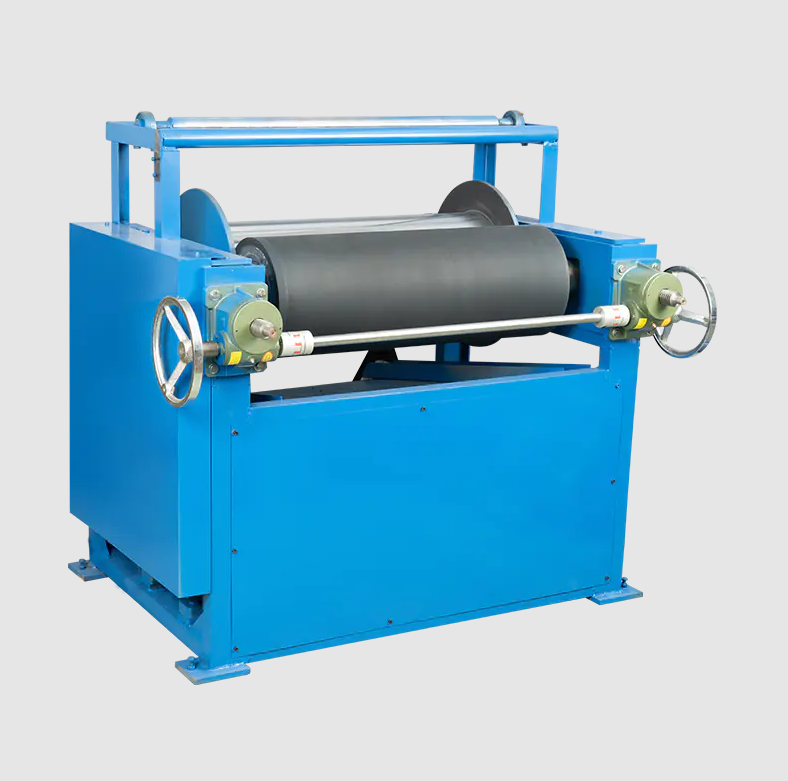
The first stage of preparation involves breaking down the compressed bales. This is done by a series of machines that are considered essential auxiliary equipment for non-woven fiber wheel production equipment:
Bale Opener: Mechanically teases apart the large fiber bales to create a loose, fluffy mass.
Coarse and Fine Openers: These machines use rotating drums with spikes or teeth to further separate individual fibers, remove impurities, and create an even feed.
Automatic Blender/Mixer: For wheels requiring specific properties, different fiber types or colors are precisely weighed and blended in this chamber to ensure a homogenous mixture before the web is formed. Consistent blending is vital for uniform wheel quality from the non-woven fiber wheel production equipment.