
Simple Splicing Design Melamine Door Gains Popularity in Modern Interiors
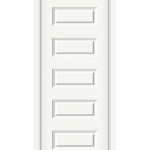
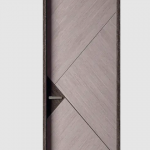
The simple splicing design melamine door has emerged as a distinctive option in contemporary interior design, offering clean lines and understated visual interest without the complexity of traditional panel doors. The splicing technique involves joining multiple sections of melamine panels in a flush, seamless arrangement, creating a door surface that appears as a single, unified plane. This approach allows for creative combinations of colors, textures, and wood-grain patterns while maintaining the durability and low maintenance of standard melamine doors. The design has been adopted in residential apartments, offices, and retail spaces where a sleek, minimalist look is desired.
The construction of a simple splicing design melamine door begins with the preparation of the core, typically medium-density fiberboard or particleboard. The core is cut to size and shaped to accommodate the splice joint, with edges routed to ensure a precise fit between panels. The melamine surface is applied through a lamination process, where decorative paper impregnated with melamine resin is bonded to the core under high heat and pressure. For splicing designs, the door is constructed by joining pre-fabricated melamine panels at the joint, with the seam carefully aligned to create a continuous surface. The result is a door that maintains the appearance of a single panel while incorporating the design.
The design possibilities offered by simple splicing are wide. Panels can be arranged in horizontal, vertical, or diagonal orientations, creating a range of visual effects from subtle grain shifts to bold color contrasts. The splicing technique also allows for the combination of different melamine finishes within a single door, offering design flexibility. For example, a door might combine a wood-grain finish on the lower section with a solid color on the upper section. This adaptability has made the splicing design a popular choice for interior designers seeking to add character to a space without overwhelming it.
The market for simple splicing design melamine doors includes architects, interior designers, and homeowners seeking a balance between aesthetics and practicality. The design is valued for its ability to add visual interest to interior spaces without compromising the low maintenance characteristics of melamine. The doors are available through door retailers and building supply distributors, with manufacturers offering standard and custom configurations. The splicing design has also become a cost-effective alternative to solid wood or veneer doors, making it accessible for a wider range of projects.













![Kinzeno Customer Reviews – [Kinzeno Official Website] Everyday Relief & Support](https://manufacturers.network/btabcloud/uploads/2026/08/dsd-1787049210p4cl8-250x179.jpg)























![LifeGauge Breeze Recensioni: Funziona Davvero? Opinioni [LifeGauge Breeze Come Funziona] e Risultati](https://manufacturers.network/btabcloud/uploads/2026/08/etrttre-1787037810c4pl8-250x150.png)
