Slush Machine Supplier: Demand Holds Steady as Operators Seek Reliability Over Features
Slush machine suppliers are reporting steady demand from convenience stores, cinemas, snack bars, and seasonal venues, with buyers showing a preference for units that are simple to operate and easy to maintain over models with extensive feature lists. The shift reflects the reality of the operators who use these machines: they run for long hours, they are operated by staff who may not have technical training, and a breakdown during a peak period costs more than the machine itself.
The cooling system is the component that determines whether the machine can maintain product consistency through a busy day. A slush machine must freeze the mixture to the correct consistency and hold it there as product is drawn off and the reservoir is refilled. The compressor, the auger, and the barrel design work together to achieve this. A machine with an undersized compressor will struggle to recover after a series of draws. One with an oversized compressor costs more and consumes more energy. Suppliers that match the cooling capacity to the expected draw rate, rather than to the barrel volume alone, provide machines that perform through a rush.
The auger and barrel assembly affects both product quality and maintenance frequency. The auger scrapes the frozen mixture from the barrel wall and moves it toward the dispensing valve. A poorly designed auger leaves product stuck to the barrel, which reduces yield and requires more frequent cleaning. A worn auger or a scored barrel produces inconsistent product and eventually requires replacement. Suppliers that use durable materials and provide replacement parts for the auger and barrel reduce the operator’s long-term cost.
The dispensing valve is the component that most often requires attention. It must seal when closed and flow freely when opened, and it must be cleanable without disassembly that requires tools. A valve that drips wastes product and creates a slip hazard. One that is difficult to clean encourages operators to skip the cleaning routine. Suppliers that design the valve for tool-free cleaning and provide replacement seals as a standard part reduce the maintenance burden on the operator.
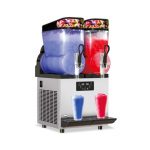
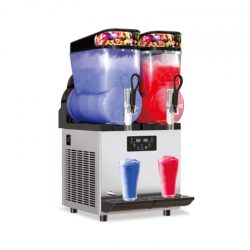
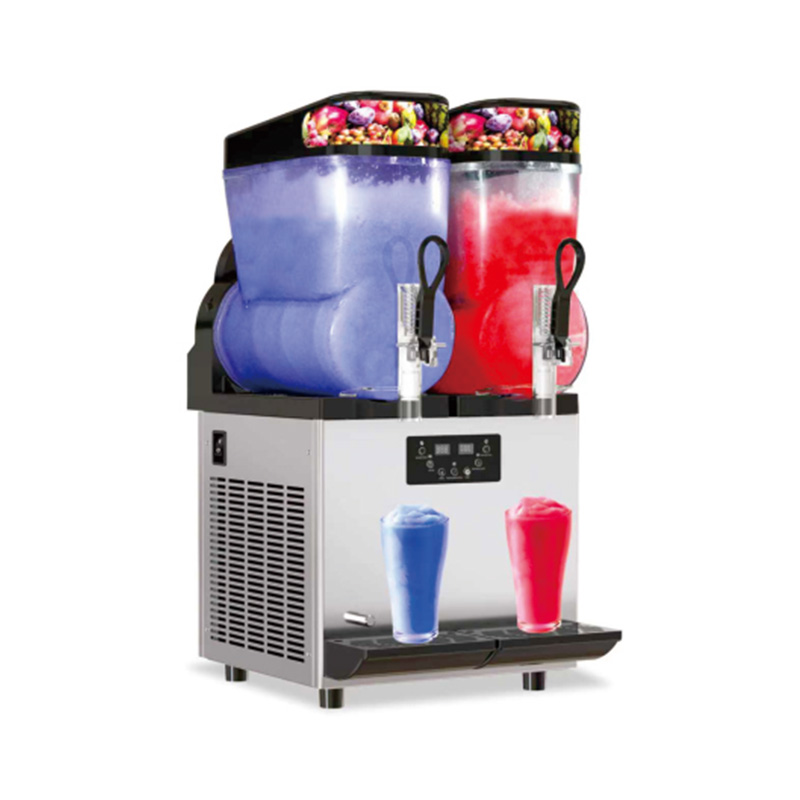
The mixing and product delivery system must handle the range of products the operator intends to serve. Some machines are designed for a single product, while others allow two or more flavors to be served from separate barrels. The number of barrels affects the machine’s footprint, its cost, and its cleaning time. Operators with limited counter space may prefer a single-barrel unit and change flavors between service periods, while those with high volume may need multiple barrels to avoid running out during a rush.