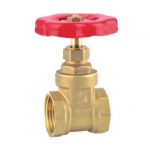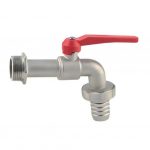
What Are the Key Differences Between Stop Valves and Ball Valves
In plumbing, HVAC systems, and industrial fluid control, choosing the right valve type directly affects performance, ease of maintenance, and long-term reliability. Among the most commonly used valves are the stop valve and the ball valve. Although both are designed to control or shut off the flow of liquids or gases, their internal structures, operating mechanisms, and best-fit applications are quite different. Understanding these differences helps homeowners, installers, and engineers select the correct valve for each system.
1. Differences in Internal Structure
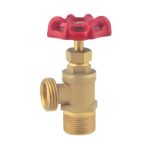
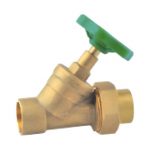
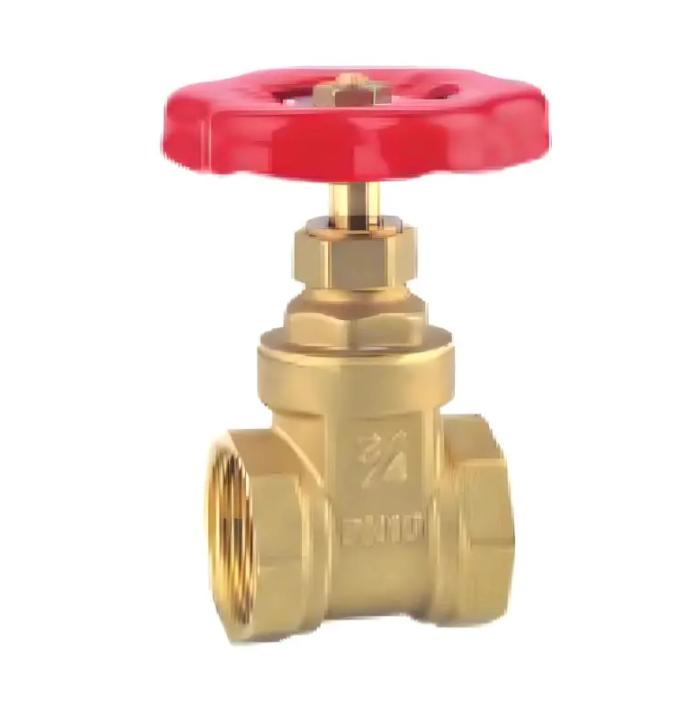
A stop valve—often recognized as a globe-style valve—uses a stem that moves up and down to adjust water flow. Inside the valve body, a disc presses against a seat to gradually reduce or stop the flow. This configuration is built for precise throttling.
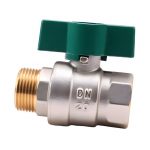
A ball valve, in contrast, features a round metal ball with a drilled hole in the center. When the handle is turned 90 degrees, the hole aligns with the pipe to allow full flow or rotates to block the passage entirely. This simple structure creates a strong seal and reduces internal friction.
Because a ball valve has fewer moving parts, it tends to be more resistant to wear and mechanical failure, especially in high-pressure systems.
2. Flow Control and Precision
Flow control capability is one of the most significant differences between the two types of valves.
A stop valve provides excellent precision. By turning the handle multiple times, users can fine-tune the water volume, making it suitable for applications where gradual adjustment is required. For example, stop valves are often found beneath sinks, in water supply lines, or in systems requiring balanced distribution.
A ball valve, however, is primarily an on-off device. It does not allow fine regulation because the ball rotates quickly from fully open to fully closed. As a result, ball valves are better for emergency shutoff or scenarios requiring unrestricted flow