Why Thermal Stability Matters in Your PVC Foam Board Stabilizer?
When it comes to PVC foam board production, thermal stability isn’t just a feature—it’s a necessity. The PVC Foam Board Stabilizer plays a critical role in ensuring your product maintains its color, shape, and integrity throughout high-temperature processes such as extrusion and foaming.
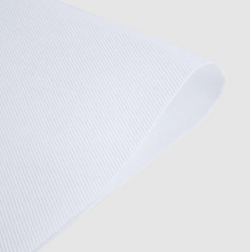
Without a high-performance PVC Foam Board Stabilizer, PVC is prone to thermal degradation. This can cause unwanted yellowing, surface burns, and even structural weakness in the final board. A premium PVC Foam Board Stabilizer helps prevent all of that. It protects the polymer during processing, keeping your boards bright white and aesthetically flawless.
The secret lies in the stabilizer’s ability to resist heat-induced decomposition. A reliable PVC Foam Board Stabilizer ensures that the material remains chemically stable under stress, avoiding discoloration or premature breakdown. This thermal resilience is especially crucial in continuous production lines where temperature control is challenging.
In addition, a quality PVC Foam Board Stabilizer allows for greater production flexibility. Whether you’re using Celuka, free-foamed, or co-extrusion processes, it ensures consistent performance with minimal defects. It also supports a cleaner process, reducing char formation and die buildup.
If you want your PVC foam boards to meet industry standards for both appearance and durability, the choice is clear: use a PVC Foam Board Stabilizer that’s built for thermal defense.
Choose thermal protection. Choose long-lasting whiteness. Choose the PVC Foam Board Stabilizer that gets the job done—no matter how hot it gets.