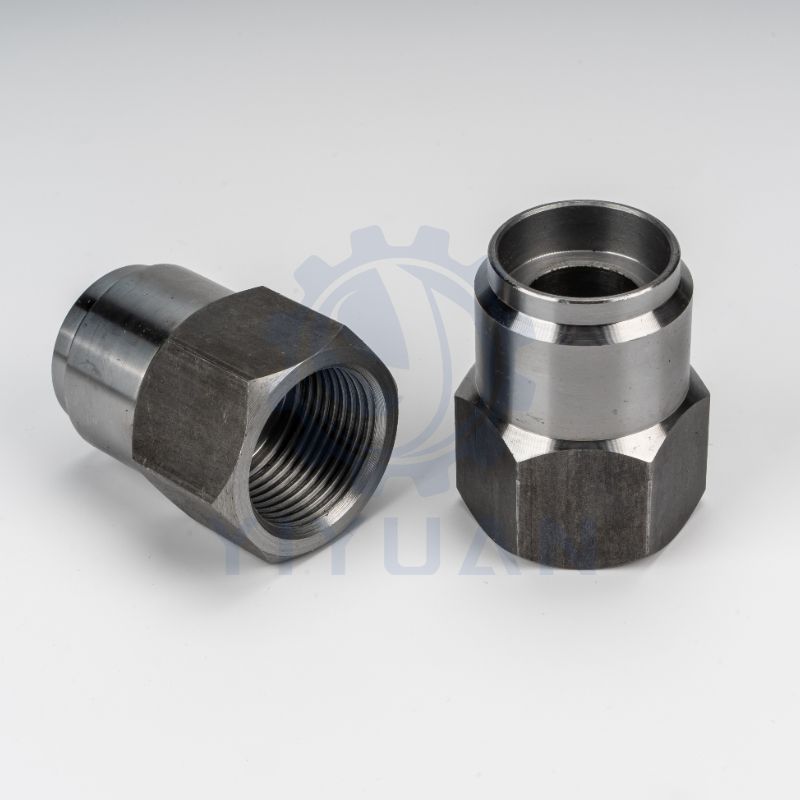
Custom Bonnet
https://www.yyvalveball.com/bonnet.html
Bonnet
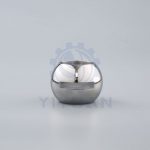
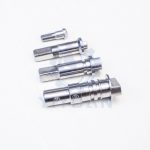
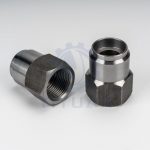
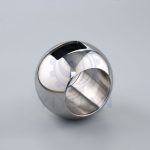
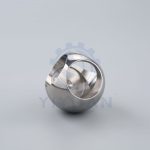
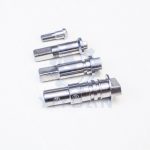
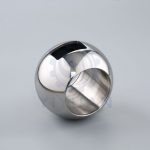
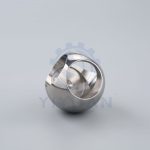
Custom bonnet refers to a bonnet specifically designed and manufactured to meet unique requirements or specifications beyond standard designs for ball valves or other types of valves. Custom bonnets are often needed for specialized applications where standard bonnets don’t meet performance, material, or dimensional needs. These might include high-pressure, high-temperature environments, or applications involving corrosive or hazardous fluids.
Custom Bonnet Use:
High-Pressure Applications: In the oil and gas industry, custom bonnets are often required to withstand extreme pressures in deep-sea or subterranean environments.
Corrosive Environments: In chemical processing plants, custom bonnets made from specialty alloys like Hastelloy may be required to handle aggressive chemicals and corrosive fluids.
High-Temperature Service: For applications like steam generation or petrochemical refining, personalized bonnets made from materials that can withstand high temperatures are critical.
Steps to Design and Manufacture a Custom Bonnet:
1. Define Requirements and Specifications:
○ Understand the specific environment where the valve will be used. Is it for high-pressure, high-temperature, or corrosive fluid handling?
○ Determine the required pressure class (e.g., ANSI Class 150, 300, 600, etc.) and operating temperature range.
○ Specify the size of the valve and bonnet (diameter, height, etc.) based on the valve body and stem dimensions.
○ Choose materials that suit the operating environment, such as stainless steel, carbon steel, or specialty alloys (e.g., Hastelloy, Inconel). The choice of material depends on factors like corrosion resistance, pressure, temperature, and fluid characteristics.
2. Select or Design the Bonnet Type:
Bolted Bonnet: A detachable design secured by bolts, often used for easier maintenance and replacement.
Welded Bonnet: Permanently welded to the valve body for high-integrity seals, typically used in high-pressure or hazardous environments.
Threaded Bonnet: Used in smaller valves or low-pressure systems, this type can be easily removed for maintenance.