Box Compression Tester Ensuring the Durability of Your Packaging
When it comes to shipping products, ensuring the strength and durability of your packaging is crucial. At Labzenix.com, we understand the importance of protecting your products during transit. One of the most effective ways to test the resilience of your packaging is through Box Compression Testing. This method evaluates the strength of a box to withstand pressure during storage, stacking, and transportation.
What is Box Compression Testing?
Box compression testing (BCT) is the process of applying a compressive force to a box until it either deforms or collapses. This test simulates the stresses that packaging faces during shipping and storage, allowing manufacturers to assess the durability of their packaging before it reaches the consumer.
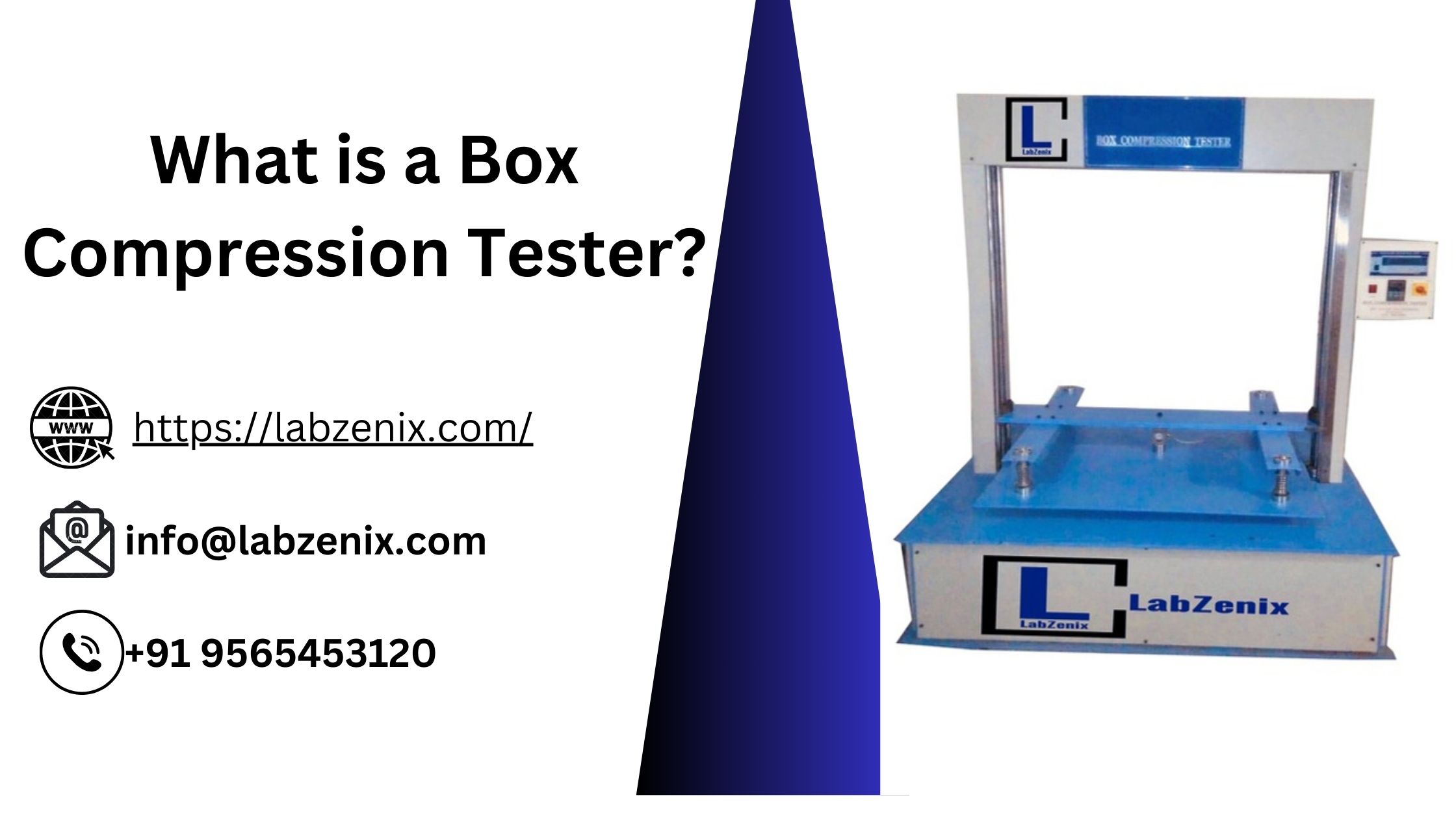
In BCT, the box is placed in a testing machine, and a compressive force is gradually applied from the top. The goal is to determine how much pressure the box can handle before failing. By conducting this test, businesses can ensure that their packaging is strong enough to protect the contents inside, no matter the conditions during transport.
Why Box Compression Testing is Essential
Preventing Product Damage One of the primary benefits of box compression testing is that it helps prevent product damage during transit. Weak packaging that cannot withstand pressure can cause the contents to be crushed or damaged. Box compression testing ensures that your packaging can handle stacking, weight, and the pressures that occur during storage and transportation.
Optimizing Packaging Design Box compression testing allows manufacturers to fine-tune the design and materials of their packaging. By understanding how different materials (such as corrugated cardboard, rigid boxes, or custom-designed packaging) hold up under compression, businesses can make more informed decisions on the most cost-effective yet durable packaging for their products.
Cost-Effectiveness Stronger boxes can reduce the need for excessive protective packaging materials like bubble wrap or foam inserts. By determining the right level of compression strength, manufacturers can design boxes that provide adequate protection while minimizing the need for additional packaging layers, resulting in cost savings.
Ensuring Compliance Many industries, especially in e-commerce, retail, and manufacturing, have specific packaging requirements to ensure that products are safe for shipping. Box compression testing helps businesses meet these standards by ensuring that their packaging complies with relevant regulations and industry guidelines.
Improving Product Safety Fragile items such as electronics, cosmetics, and pharmaceuticals need extra protection during shipping. Box compression testing ensures that these delicate items are packed securely and are less likely to be damaged. By testing the strength of your packaging, you can make sure that products reach consumers in perfect condition.
How Box Compression Testing Works
Preparing the Box: To start the test, the box is filled with the product or an appropriate test material that simulates real shipping conditions.
Placing the Box in the Testing Machine: The box is positioned beneath a compression platen in a box compression testing machine.
Applying the Force: The machine applies a steadily increasing compressive force to the box, usually from the top down, until the box either collapses or reaches a predetermined point.
Analyzing the Results: The test results indicate the box’s maximum compression strength, allowing manufacturers to assess whether the box is strong enough to protect the product and if adjustments need to be made.
Factors That Affect Box Compression Strength
Material Quality: The quality of the material used in the box, such as the thickness of the cardboard or the strength of the paperboard, plays a significant role in its ability to withstand compression.
Box Design: The overall design of the box, including the type of flute in corrugated cardboard or the box dimensions, affects its strength.
Weight Distribution: Proper weight distribution inside the box ensures that compression is applied evenly, preventing areas of the box from failing prematurely.
Conclusion
Box compression testing is a vital process for any business involved in shipping products. It ensures that packaging materials are strong enough to protect items throughout their journey, reducing the risk of product damage, optimizing packaging design, and cutting costs. At Labzenix.com, we specialize in providing reliable and accurate box compression testing services to help businesses ensure the durability of their packaging.