Light Soft Cover Notebook Factories Respond to Portability and Everyday Use Trends
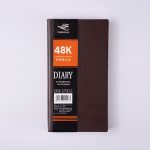
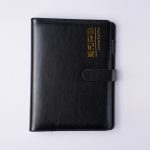
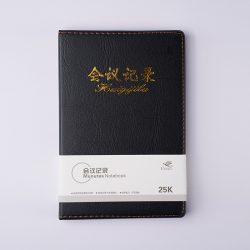
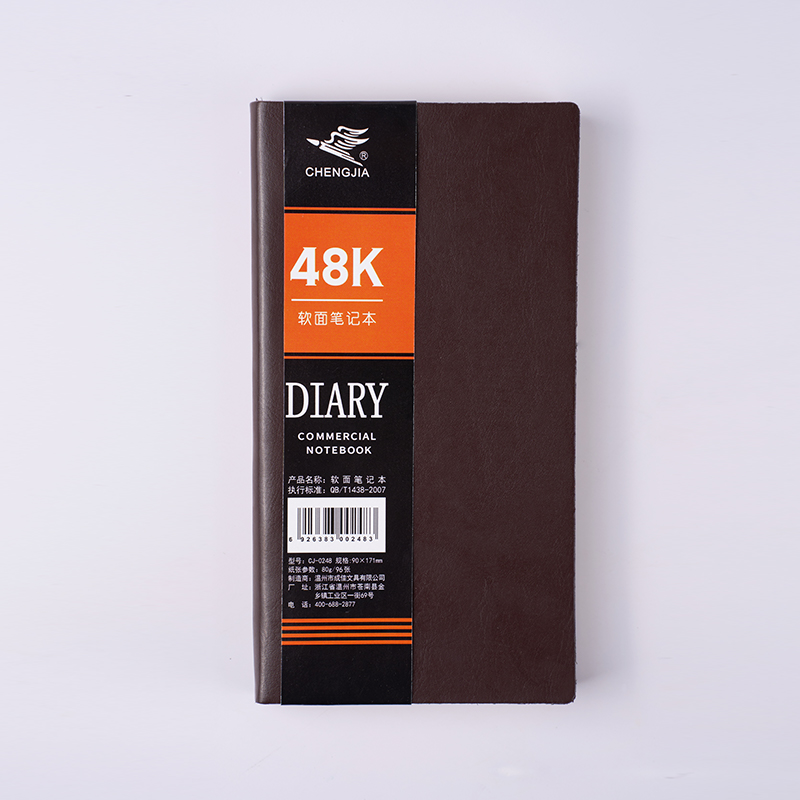
Light soft cover notebook factories are producing a core category of the stationery market, manufacturing notebooks that prioritize reduced weight, flexible covers, and practical functionality for everyday writing and note-taking. These notebooks typically feature paper covers or thin polypropylene or PU-laminated covers that offer basic protection without adding significant bulk, making them suitable for students, professionals, and casual users who value portability over rigid construction. The light soft cover format has remained a staple in educational supply chains, office procurement catalogs, and retail stationery shelves, supported by the consistent demand for affordable, replaceable writing tools across multiple user segments.
The production flow at light soft cover notebook factories involves paper cutting, collation, binding, and cover attachment, with each stage optimized for efficient handling and minimal material waste. Paper rolls are converted into sheets of specified dimensions, then printed with ruling lines, margins, or custom branding as required by the order. The collation process stacks sheets into book blocks, which are then bound using adhesive, stitching, or wire methods depending on the desired lay-flat characteristics and cost considerations. Cover attachment follows the binding stage, with cover sheets cut from lightweight card stock or flexible film materials and affixed to the spine and outer surfaces of the book block. Factories that have integrated inline cutting and binding systems report reduced cycle times and improved consistency across large volume orders.
Material selection decisions at light soft cover notebook factories balance cost, performance, and user expectations regarding writing experience. Paper weight typically ranges from 60 to 80 grams per square meter, with lighter sheets offering greater page counts for a given thickness while heavier stocks providing reduced show-through and a more substantial writing feel. Cover materials include uncoated paperboard, coated papers, and thin synthetic films, each chosen based on the target price point and intended usage environment. Manufacturers that maintain relationships with multiple paper suppliers have greater flexibility in sourcing grades that meet specific opacity, brightness, and surface characteristics required by different customer segments.
Customization options for light soft cover notebooks include printed covers, custom rulings, and specialized page counts, with digital printing capabilities enabling shorter runs than traditional offset processes. Some factories offer choice of ruling styles, including college rule, wide rule, grid, and blank pages, accommodating different writing preferences across educational and professional users. The availability of custom branding has been particularly relevant for promotional products, where light soft cover notebooks serve as accessible giveaway items at conferences, training events, and corporate orientations. Manufacturers that can accommodate both standard catalog items and custom orders have been positioned to serve a broader customer base.