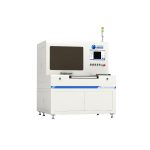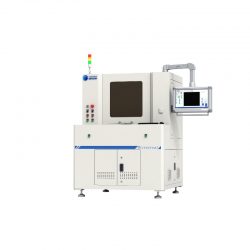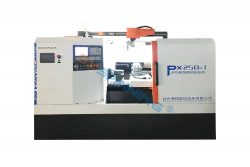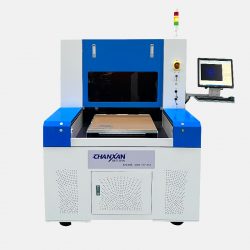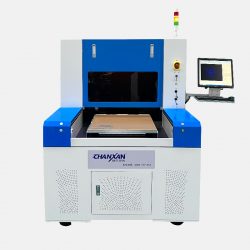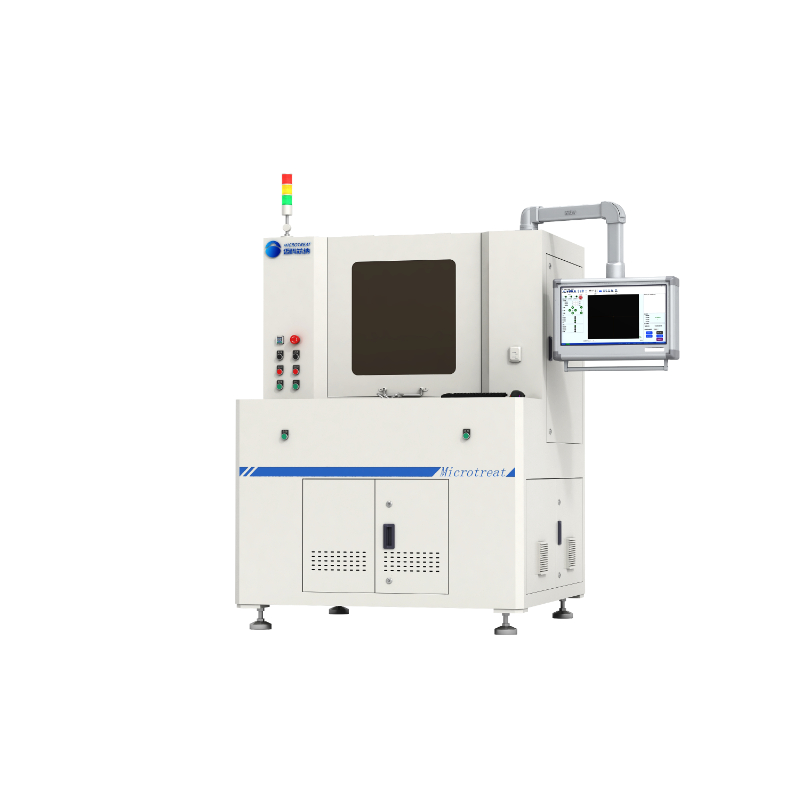
Lab-scale laser scribing system for thin-film solar modules
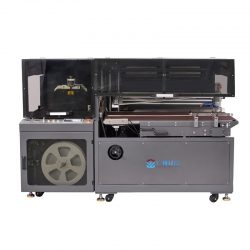
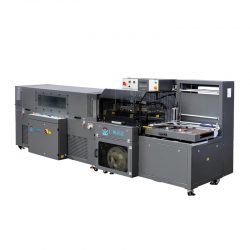
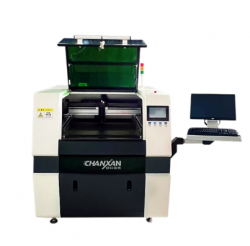
The perovskite laser P1-P3 scribing machine is a high-precision laser processing equipment designed specifically for perovskite solar cell production lines. Precision P1–P3 laser scribing enables accurate cell isolation and reliable series interconnection for high-efficiency module fabrication.The use of a highly stable short-pulse laser source and an advanced optical system can accurately control the scribing depth (micrometer level) and scribe widths (≤20μm), minimizing thermal damage to the perovskite active layer and enhancing overall power conversion efficiency.The equipment is equipped with intelligent visual positioning and automated control technologies, supports compatible processing of flexible substrates and glass substrates, and has high-speed scribing (≥1m/s), modular design, and cloud-based management of process parameters, helping to improve the yield of perovskite battery mass production and reduce costs and increase efficiency.
Thin Film Solar Module Laser Scribing System Advantage
1. High-precision processing: micron-level scribing accuracy (line width ≤ 20μm) ensures efficient segmentation and series connection of battery cells and improves photoelectric conversion efficiency.2. Minimal Thermal Damage Process: short-pulse laser technology accurately controls the heat-affected zone to avoid damage to the perovskite active layer and ensure battery performance.3. High speed and high efficiency: scribing speed ≥ 1m/s, adapted to the rhythm of mass production, significantly improving production line efficiency and capacity.4. Flexible compatibility: supports a variety of materials such as glass and flexible substrates to meet the needs of different process routes.5. Intelligent control: integrated visual positioning and automation system, intelligent adjustment of process parameters, and high yield stability.
Laser scribing machine operates by focusing a high-energy laser beam onto the surface of a material to perform precise micro-patterning, cutting, or isolation. The laser beam is controlled by galvanometer scanners or precision motion stages, enabling the system to selectively ablate thin-film layers without mechanical contact.