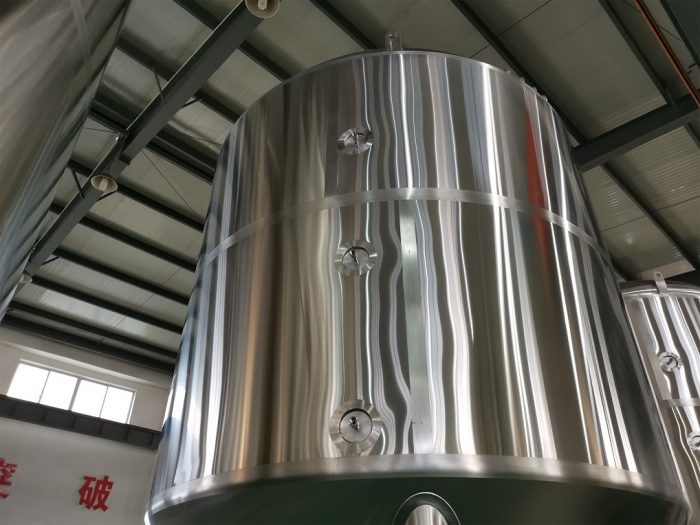
2 bbl brewing system
2 bbl brewing system
https://www.ymeequipment.com/product-catalog/2-bbl-brewing-system.html
A 2 BBL brewing system, or two-barrel brewing system, is designed to produce approximately 2 barrels of beer per batch, which is about 62 gallons or 248 quarts. This system is ideal for small-scale breweries, brewpubs, or craft brewers who want to test new recipes while maintaining a manageable production capacity and space efficiency.
Components of a 2 BBL Brewing System
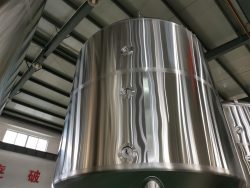
The 2 BBL brewing system consists of several key components, each serving a specific function in the brewing process:
– Mash Tun: This vessel is where the mashing process occurs, mixing grains with water and heating the mixture to extract fermentable sugars.
– Kettle: After mashing, the wort is transferred to the kettle, where it is boiled, often with hops, to develop the beer’s flavor and aroma.
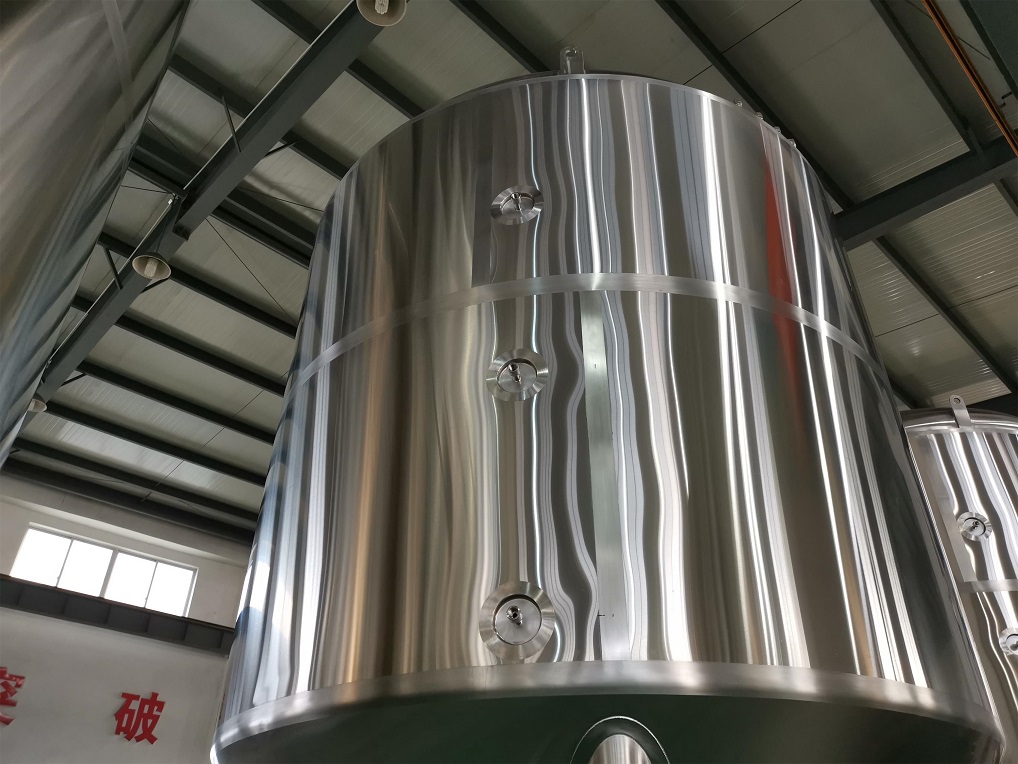
– Fermenters: The boiled wort is moved to fermenters where yeast is added. The yeast ferments the sugars, producing alcohol and carbon dioxide.
– Bright Tanks: Once fermentation is complete, the beer is transferred to bright tanks for clarification and maturation before packaging.
Functions of the System
The 2 BBL system performs several essential functions:
1. Mashing: Combining malted grains with water to create a mash.
2. Boiling: Heating the wort to sterilize it and extract flavors from hops.
3. Cooling: Rapidly cooling the wort to a suitable fermentation temperature.
4. Fermentation: The yeast converts sugars into alcohol and carbon dioxide.
5. Maturation: Allowing the beer to develop flavors and settle any unwanted compounds.
6. Packaging: Kegging, bottling, or canning the finished beer for distribution.
Applications
The 2 BBL brewing system is versatile and can be used for various purposes, including:
– Microbreweries: Ideal for small-scale production and experimentation with new recipes.
– Brewpubs: Suitable for on-site brewing to serve customers directly.
– Pilot Systems: Used by larger breweries to test new beer styles before scaling up production.